Our Mission
Our mission at The Acme Bread Company is to make and deliver the very best bread we can every day, using 100% organic flour in all our products, while nurturing a workplace that values and rewards our employees, embracing renewable energy sources for our operations, and contributing to the San Francisco Bay Area community through donations and sustainable practices.
Our Story
In 1979, Steve Sullivan was a 22-year old college student and busboy at Chez Panisse restaurant in Berkeley. He had become obsessed with baking bread after coming across Elizabeth David’s English Bread and Yeast Cookery on a trip to Europe the previous year. Everyone at the restaurant had become dissatisfied with the increasingly bland and ‘industrial’ bread that was available to the restaurant at the time, and Steve began bringing the bread he baked in his student co-op kitchen to the restaurant for help and suggestions.
Eventually, as his bread improved from ‘horrible’ to ‘tolerable’ to ‘desirable,’ Chez Panisse’s Alice Waters asked Steve to begin baking the bread for the restaurant, which he did for the next four years, guided always by input from the restaurant’s staff and customers.
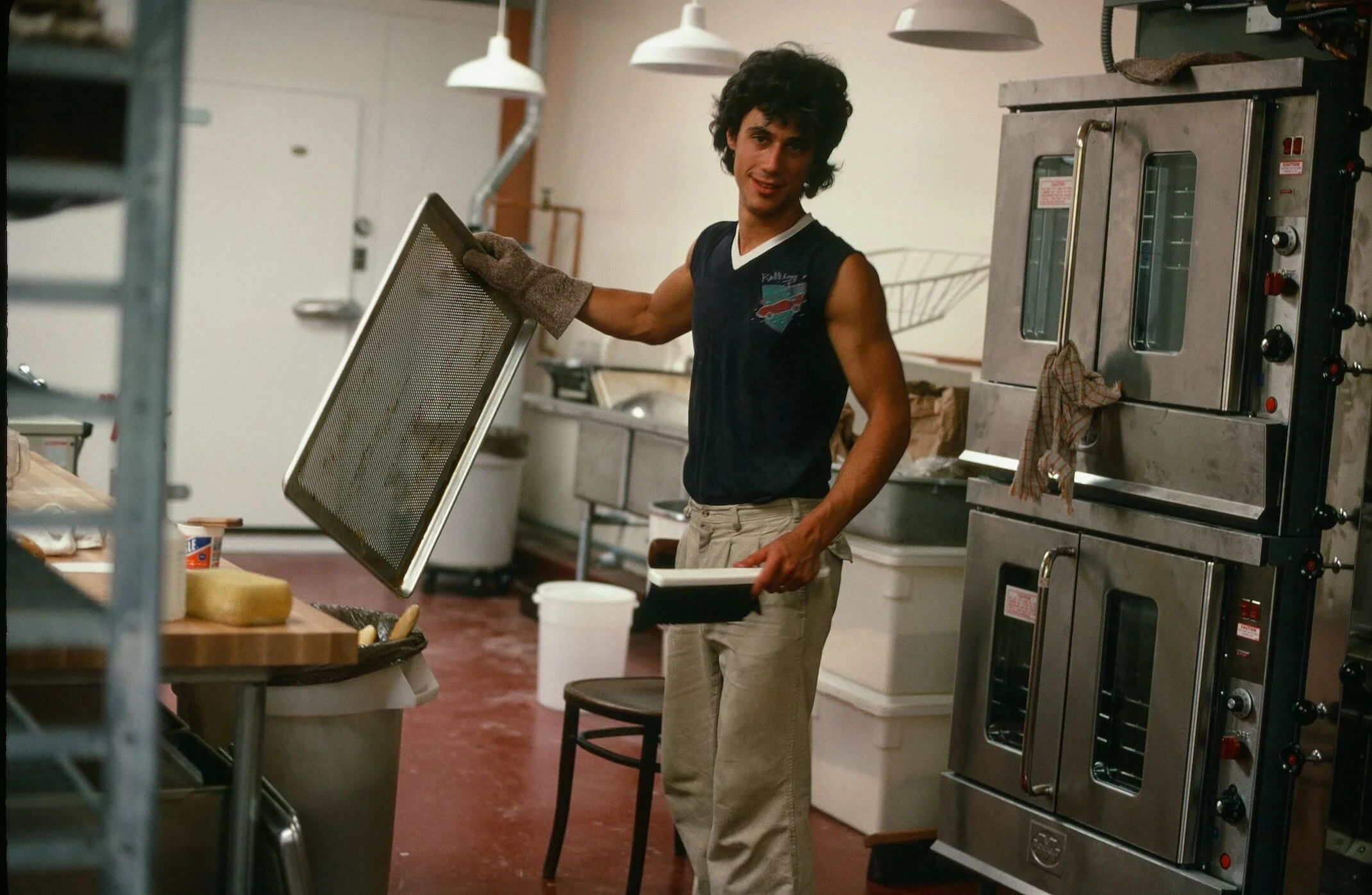
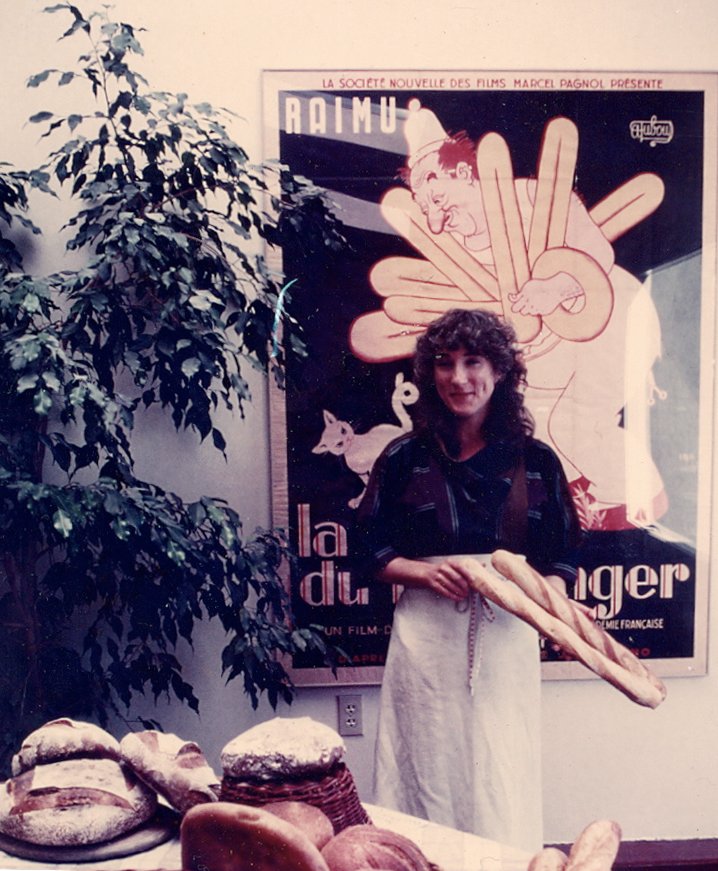
In 1980, Steven met his future wife, Suzie Castello. The two of them became partners in life and business, founding The Acme Bread Company together in September of 1983. Their vision was to improve the quality of bread available in the Bay Area by baking and delivering carefully-made, crusty, long-fermented, hearth-baked bread to restaurants and stores. They set up shop in wine merchant Kermit Lynch’s new building on the corner of Cedar Street and San Pablo Ave in Berkeley, with tremendous early support from Chez Panisse’s Alice Waters and landlord Kermit Lynch.
The bakery was soon operating 24 hours per day and eventually reached its production limits. At the same time, Steven and Suzie recognized that Acme could bake better bread if it had more space and heavier equipment. So, in 1989, in response to growing demand, Steven and Suzie decided to expand the bakery, developing a new facility and bringing on Acme staff bakers Doug Volkmer and Rick Kirkby as additional managing shareholders. Both of them contributed immensely to shaping the quality of the bread and the ethos and vision of The Acme Bread Company for decades to come.
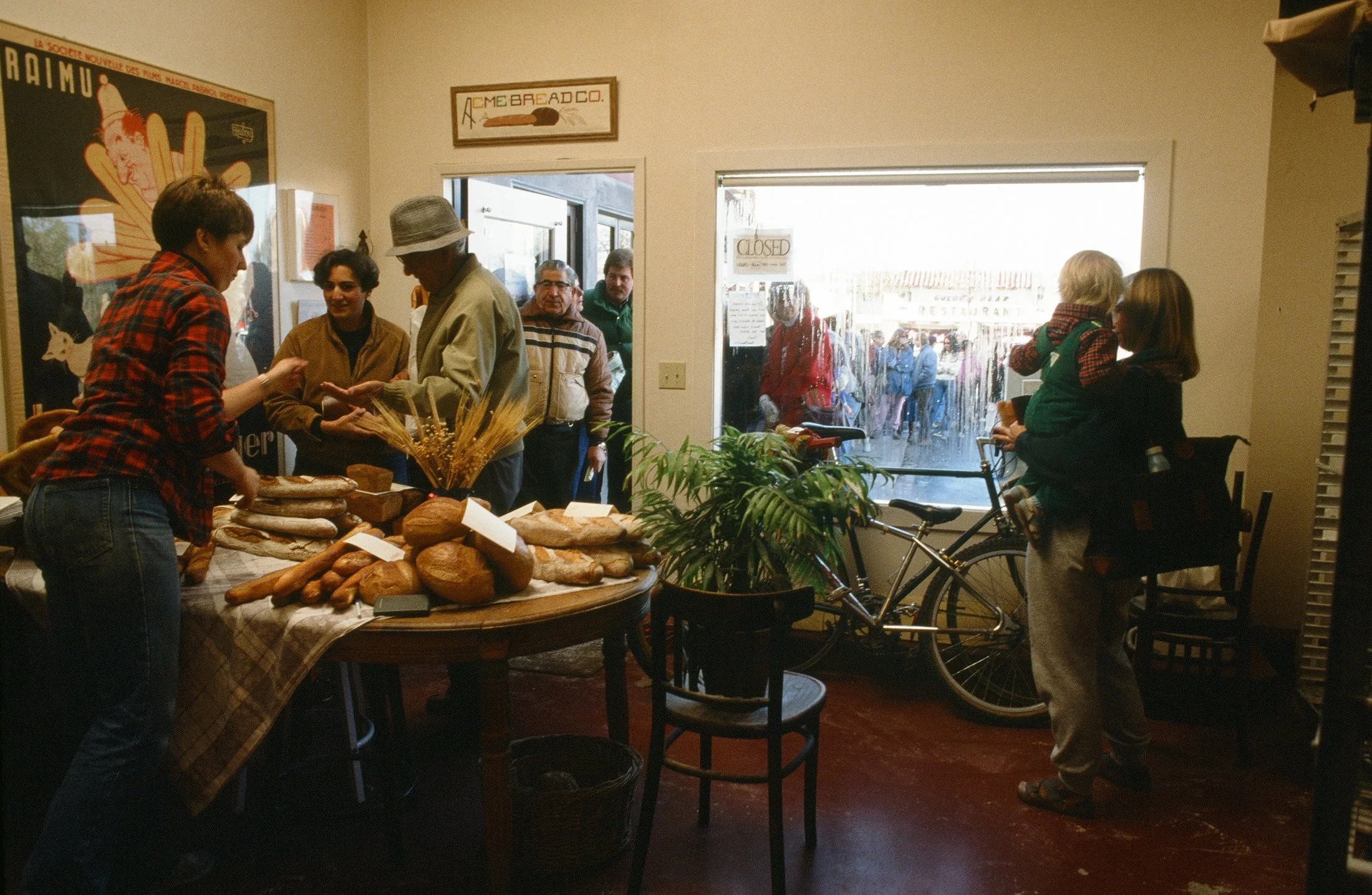
Over time, the expanded company’s distribution area grew to include the South Bay. Once again the company reached its production limits without fully satisfying the existing demand. And once again, within the growing company there were a few dedicated, long-term bakers whose commitment and contributions had made it clear that they could meet the challenge of operating and managing a bakery. Therefore, in order to better serve the South Bay community, the company planned and built a bakery in Mountain View in 1994/1995, along with new Managing Shareholders Claudio Rezende, Drew Westcott and Luis Gaytan.
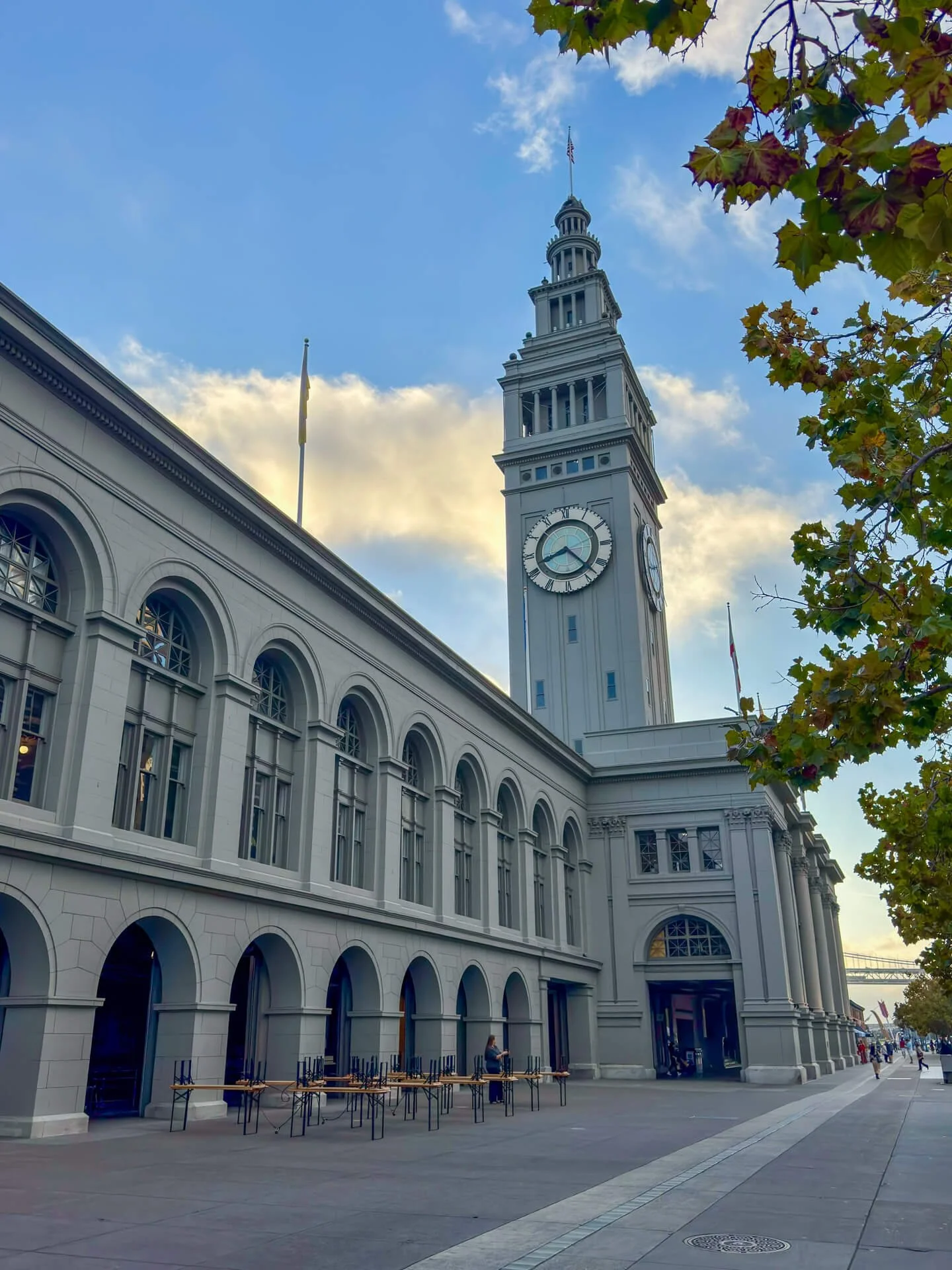
In 2002 developers Chris and Michele Meany were reimagining the SF Ferry Building and developing it as a foodmaking and Farmers Market center, and they approached Acme about setting up there as ‘the village baker’ for that community. Although Acme had no ambitions to expand at that time, the management team felt compelled by the beauty and vision of the project and could not resist the opportunity to build a bakery right on the edge of the SF Bay, in one of the area’s oldest and most iconic public buildings. The greatest benefit to the company of this new bakery may well have been the arrival, early on, of baker Monica Contois, whose energy and commitment we exploited mercilessly, virtually forcing her to accept a position as Managing Shareholder.
Today, a diverse team of managing shareholders — Claudio Rezende, Monica Contois, Laura Wilches, Michael Jaramillo, and Christina Jauregui along with Steven and Suzie Sullivan and their daughters Becca and Rachel — are working to uphold the company’s founding principles of providing the best bread and service possible, while offering staff with fair wages, excellent benefits and chances to grow.
The company's enduring success reflects its deep-rooted commitment to excellence and sustainability, as the next generation works to maintain Acme's tradition of quality and innovation.
Flour
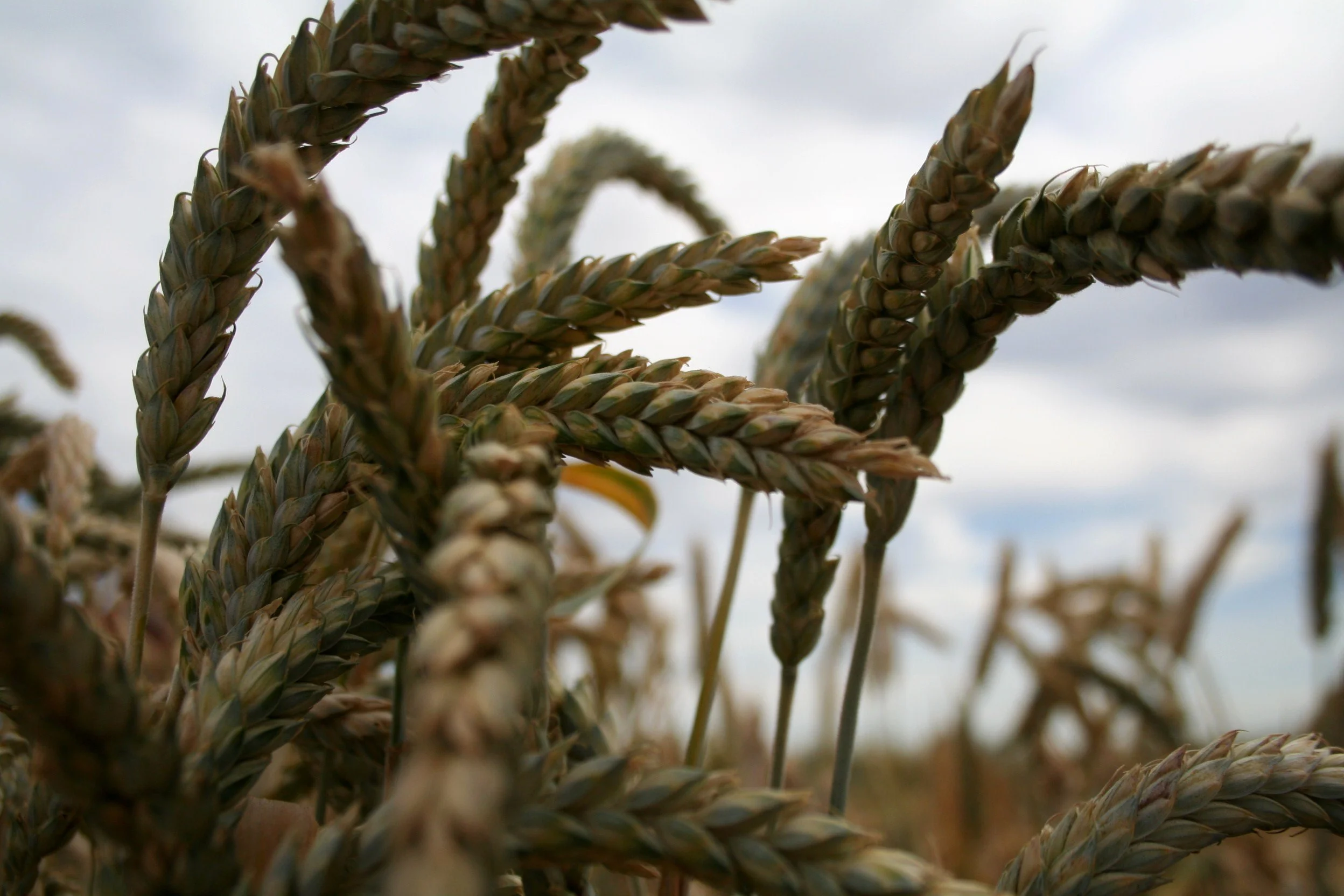
Since 1999, we have been committed to using 100% organic flour in all of our products. We prioritize the use of high-quality sourced ingredients to support regional farmers and reduce transportation emissions.


One of our proudest achievements was the development of a product using 92% California grown whole wheat: Edible Schoolyard Bread (read more about the ESY project here). In 2024, Organic California-grown Yecora Rojo wheat made up 100% of our whole wheat flour as well as 25% of our white four blend. This comes out to over 1.8 million pounds CA-grown flour used at Acme in one year!

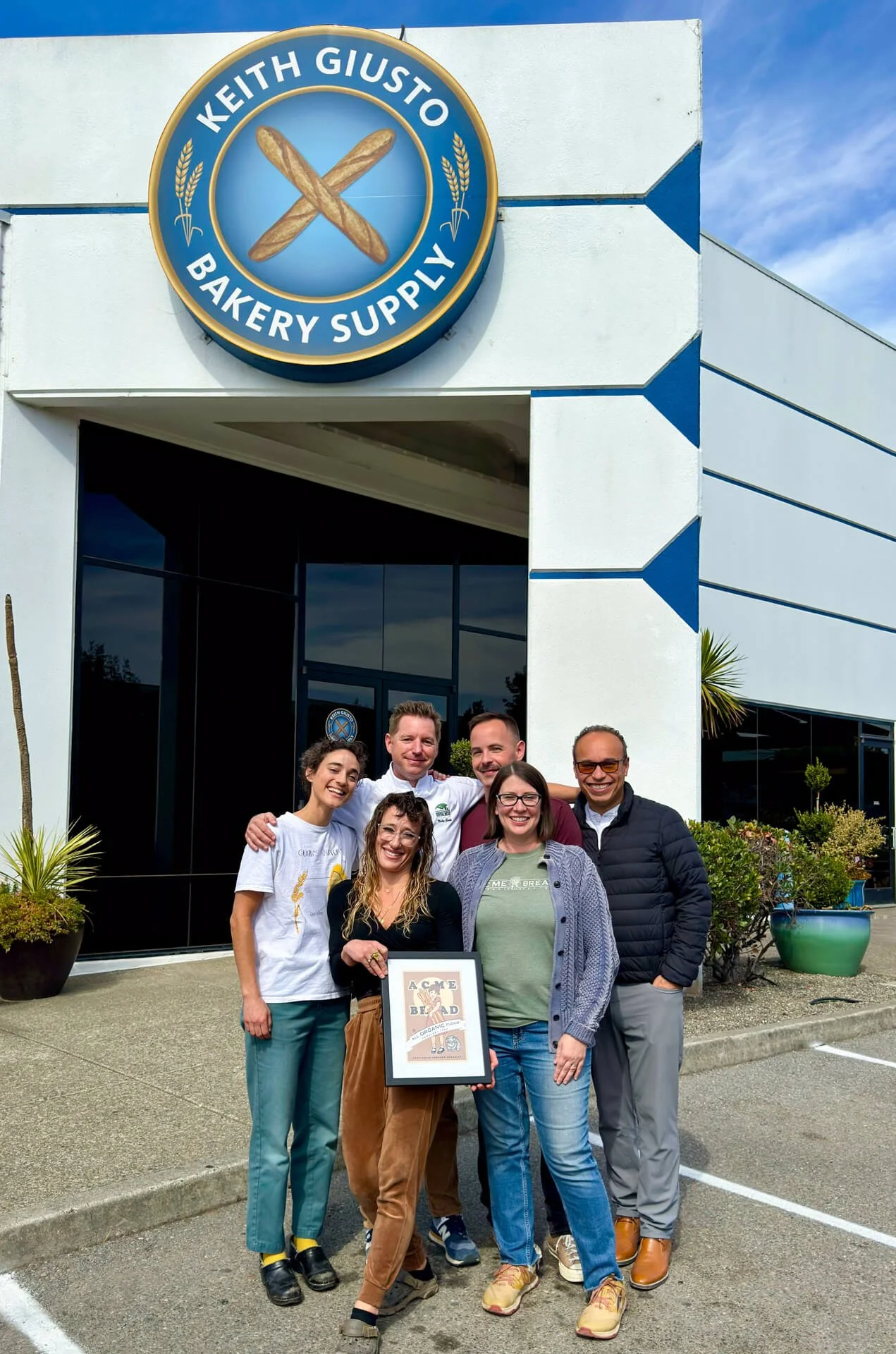
“Across California, Oregon, Washington, Idaho, and Utah, our organic farmers have learned to work in rhythm with the land—cultivating wheat in ways that nurture the soil and keep carbon close to the earth, where it belongs. Acme Bread’s devotion to flour milled from this grain has helped transform more than 6,000 acres of California farmland into an authentic expression of organic stewardship and care and countless acres in the other states.”
- Nicky Giusto, Central Milling
Sustainability
At Acme Bread, we are committed to fostering a sustainable future through responsible practices and a deep respect for our environment. Our sustainability efforts are at the heart of our mission to create delicious, high-quality bread while minimizing our ecological footprint.
Clean Energy
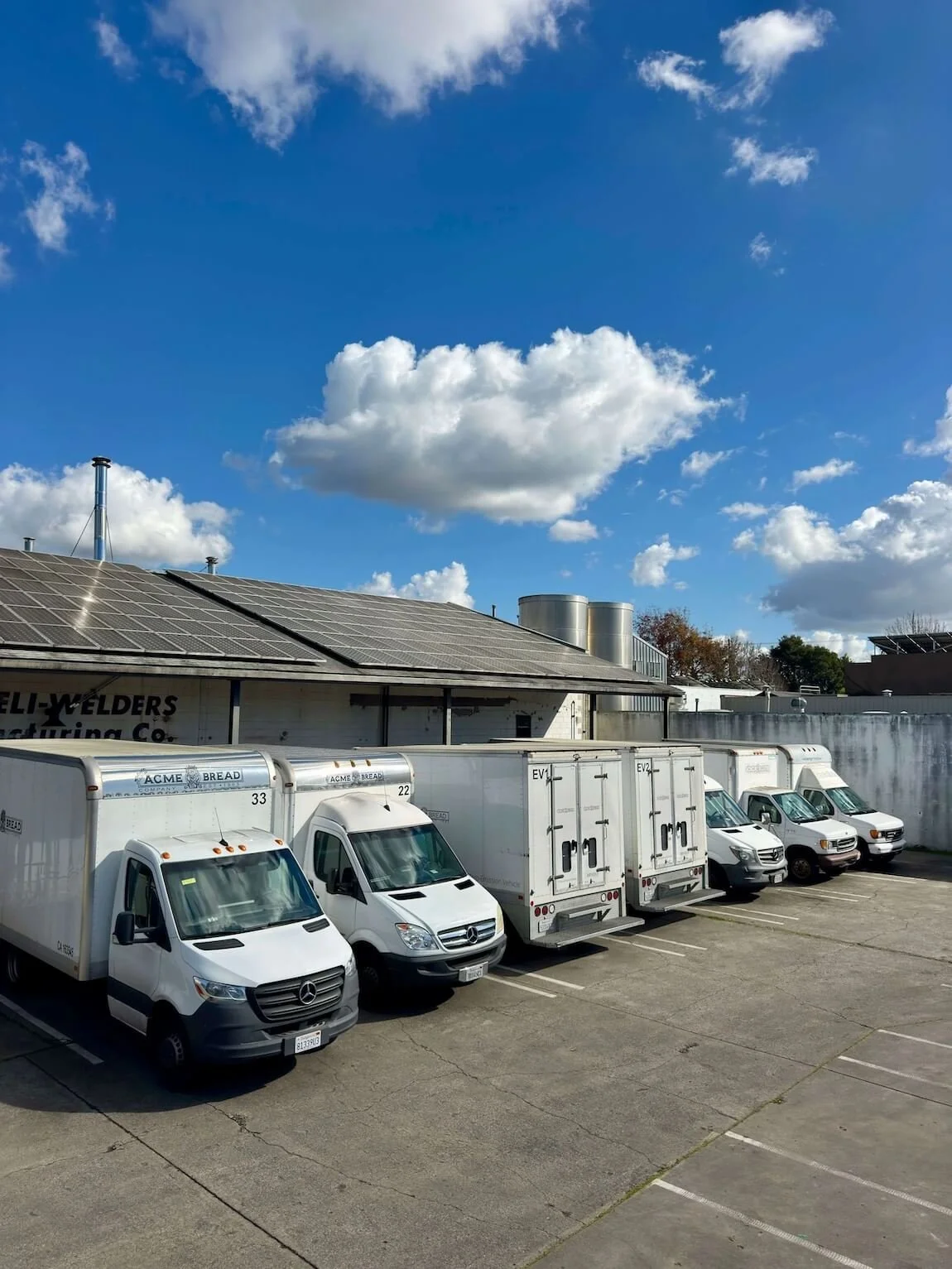
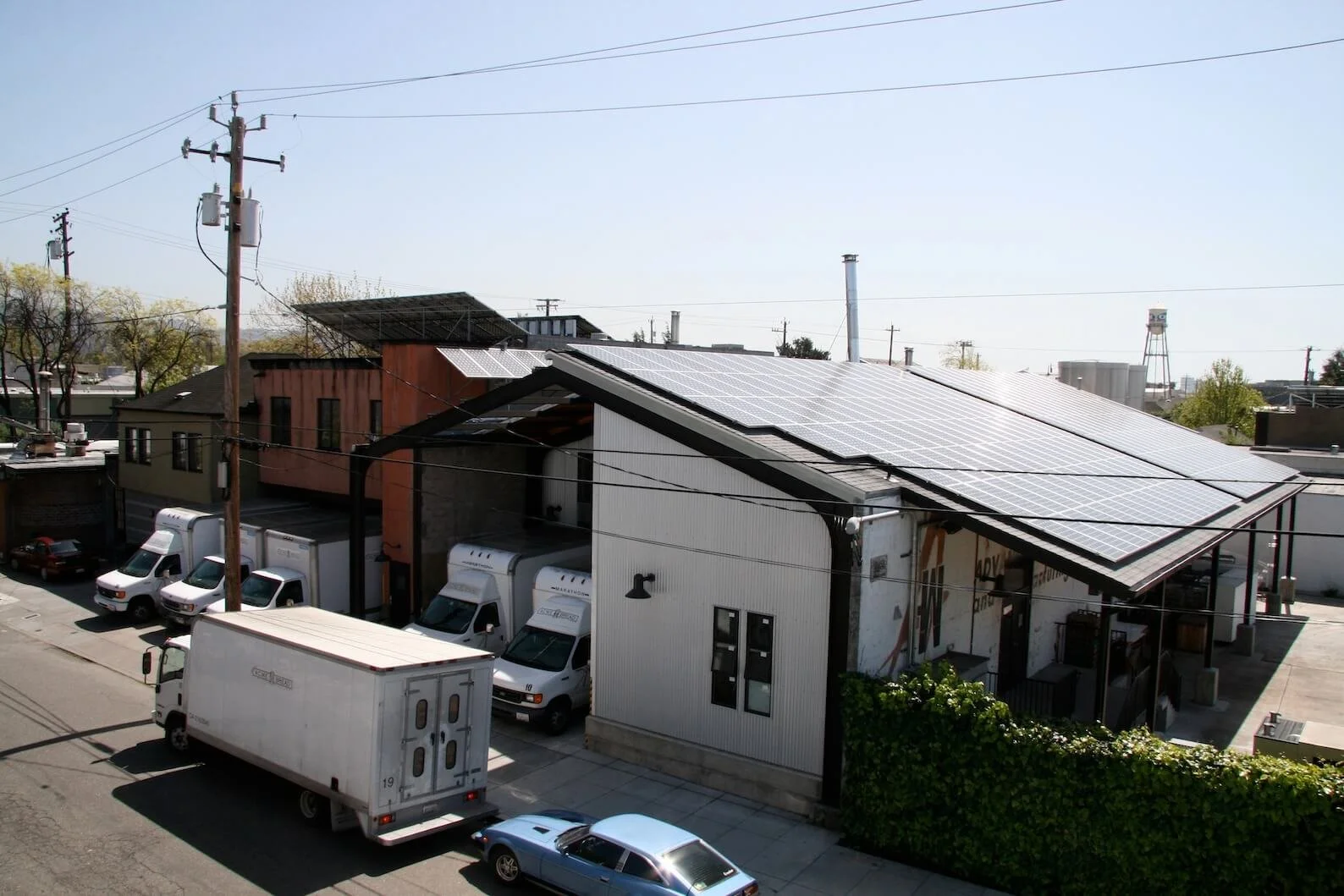
Acme Bread continuously seeks innovative ways to reduce our energy consumption and have implemented measures to include the use of renewable energy sources wherever possible. In 2008, we covered our Berkeley wholesale bakery with photovoltaic panels in order to generate as much of our own electricity as we can.
In the early 1990s, we recognized that Natural Gas might not be the best solution for the future and began converting our small fleet of gasoline vehicles over to diesel-powered vehicles, and we now run our Berkeley-based fleet on Biodiesel and Renewable Diesel. In 2024, we took delivery of our first two EVs for all-electric bread delivery.
Sourcing Organic, Local and Sustainable Ingredients
We prioritize the use of high-quality sourced ingredients to support regional farmers and reduce transportation emissions. We also source as many organic, and locally-sourced ingredients as we can. This can include but is not limited to raisins, pumpkin seeds, flax seeds, rosemary and many others found in our breads.
Our efforts are also highlighted in our choices to use local produce for our retail shop items, such as stone fruit from Frog Hollow Farm and tomatoes from Dirty Girl Produce.
Waste Reduction Efforts
At Acme Bread we cherish good food and have been working to reduce food waste as much as possible, long before the StopWaste movement. We have implemented several strategies to support these efforts:
We strive to minimize waste through careful production planning which allows only a small percentage of overage to avoid unnecessary production of items that we cannot sell.
We provide overage to our staff as take-home bread (each staff member also gets to take home two loaves of bread every work day) and also donate to many local charitable organizations such as Saint Vincent’s Day Home, Consider the Homeless, local Senior Centers, UC Berkeley Student Housing Cooperatives, Food Not Bombs, Berkeley Food Network and more.
Any bread still leftover at our facility is combined with supermarket returns in ReConserve containers, which are picked up and then processed into livestock feed weekly. In this way, we ensure that as much of our bread as possible is consumed as food, in one way or another.
We are adopting waste-reduction measures such as recycling, composting materials and repurposing by-products.
Our commitment to reducing waste extends to our product packaging, where we use recyclable and biodegradable materials to lessen our impact on landfills. In 2024 we made the change to more sustainable, unbleached bags that use 100% recycled paper. The manufacturer’s paper recovery process recycles 400,000 tons of waste paper annually which further reduces items going into the landfill.
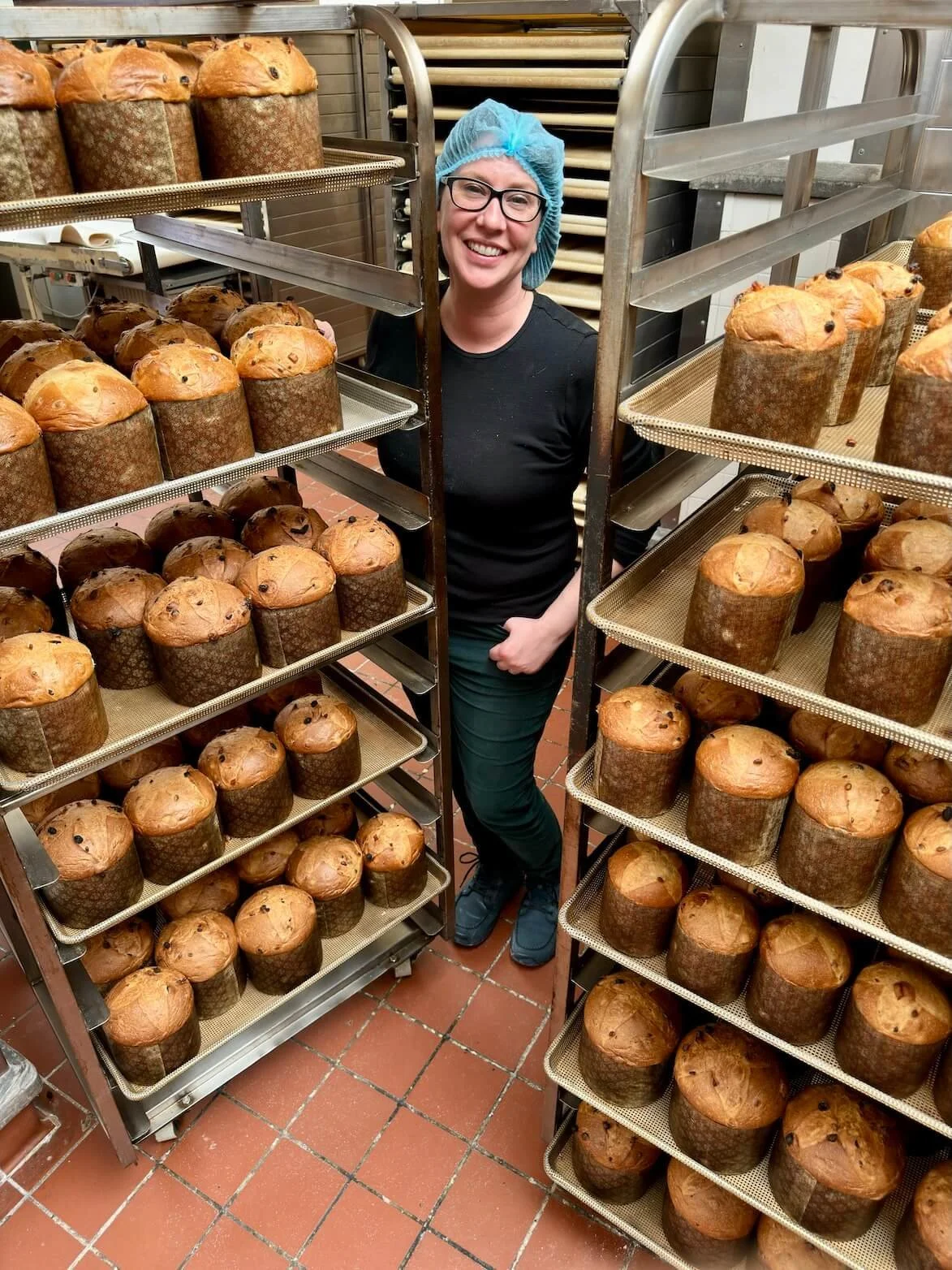
We pack specialty products such as panettone, cookies and cakes into biodegradable cellulose bags.
Community Engagement
We are proud to call ourselves "Bakers Against Racism" and have donated cash profits to a variety of local groups supporting Black Lives Matter, LGBTQIA services, agricultural worker welfare, and unhoused communities. We also make efforts to donate all fresh leftover bread to charitable organizations, schools, and nonprofits in our community.

Bakers Against Racism
In April of 2020, we participated in the early foundational ‘Bakers Against Racism’ fundraisers, global initiatives in which bakers and pastry chefs come together to raise awareness and money for racial justice causes. Through organizing bake sales and other culinary events, the project seeks to support and amplify efforts aimed at combating racism and promoting equity and inclusion. Acme Bread has proudly continued to participate in this program since 2020.
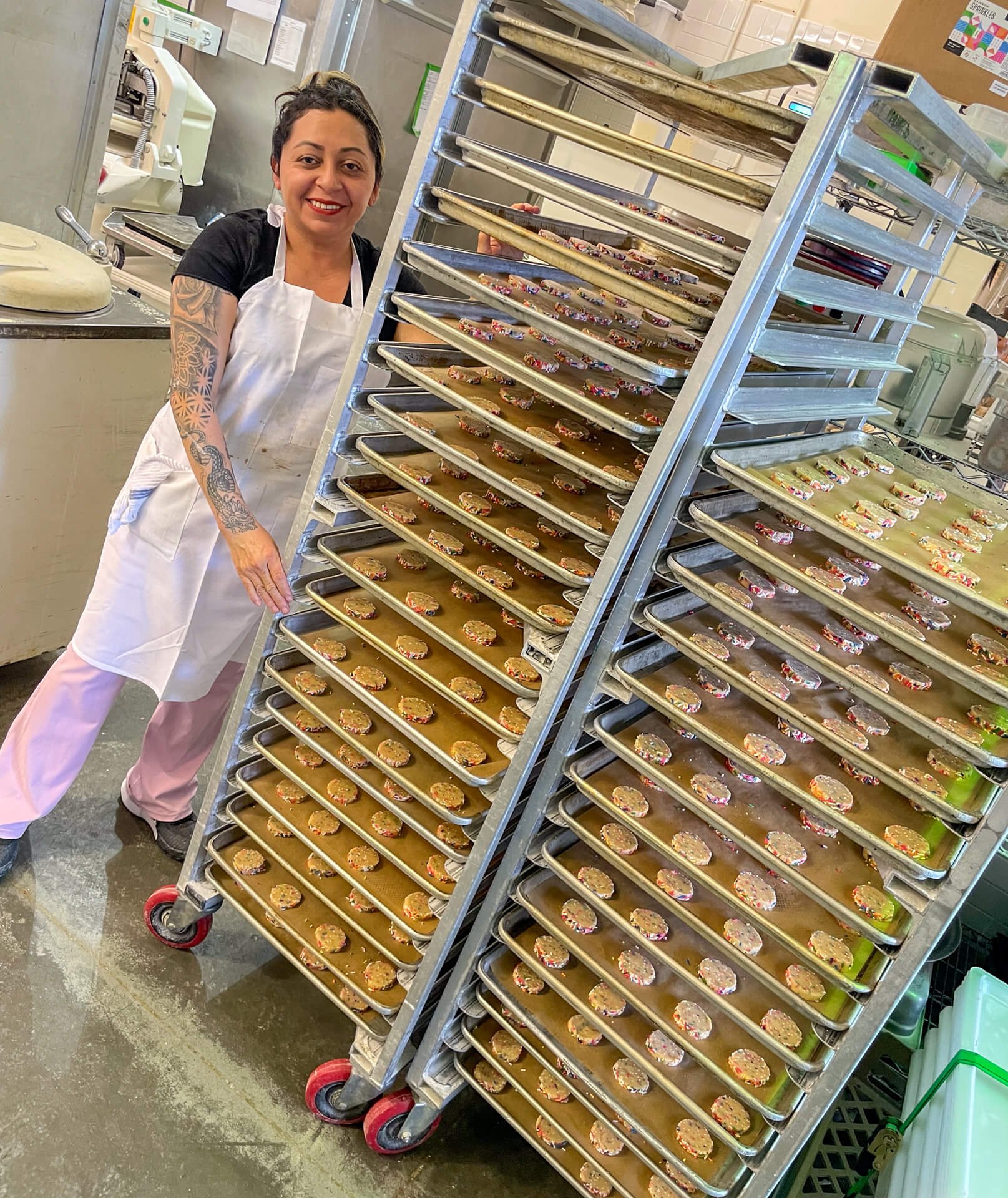
Every week, we donate the profits from our “BAR Bake Sale Cookie” to Black-, Native American-, South/Central American- and Asian American-focused organizations in our area, such as The Ella Baker Center for Human Rights, The California Tribal Fund, The Chicana Latina Foundation, Cameron House, Black Organizing Project, Hijas del Campo, and The Social Justice Collaborative. We have donated more than $180,000 through the end of 2025.
Edible Schoolyard Project
The Edible Schoolyard Project is dedicated to transforming school grounds into dynamic learning environments where students are encouraged to grow, harvest, and cook their own food. They do so by integrating hands-on gardening and culinary experiences into the curriculum which helps students gain an understanding of healthy eating, environmental stewardship, and community engagement. Acme Bread regularly donates to events, and works together with Edible Schoolyard Program Coordinators on advancing its goals.
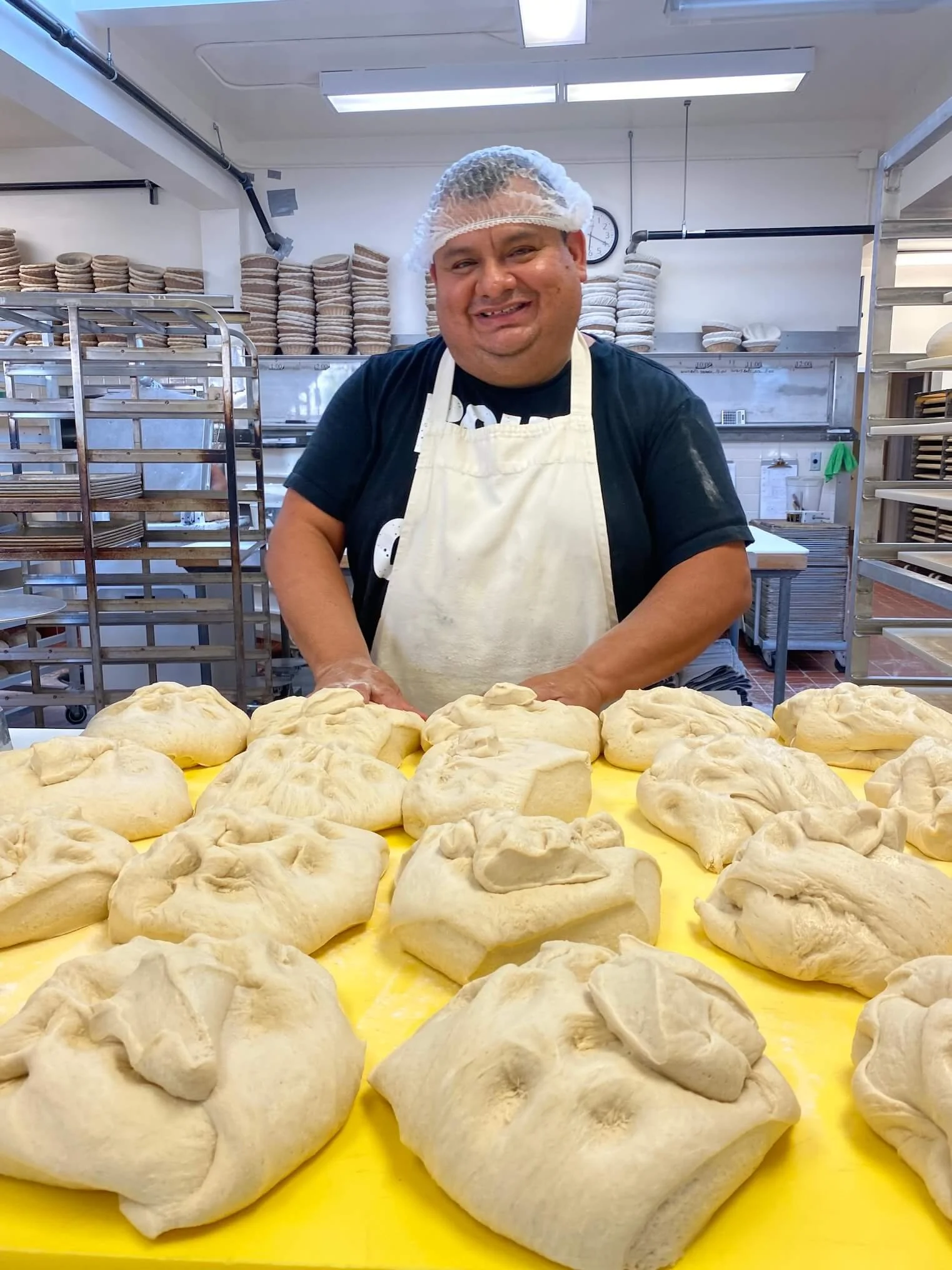
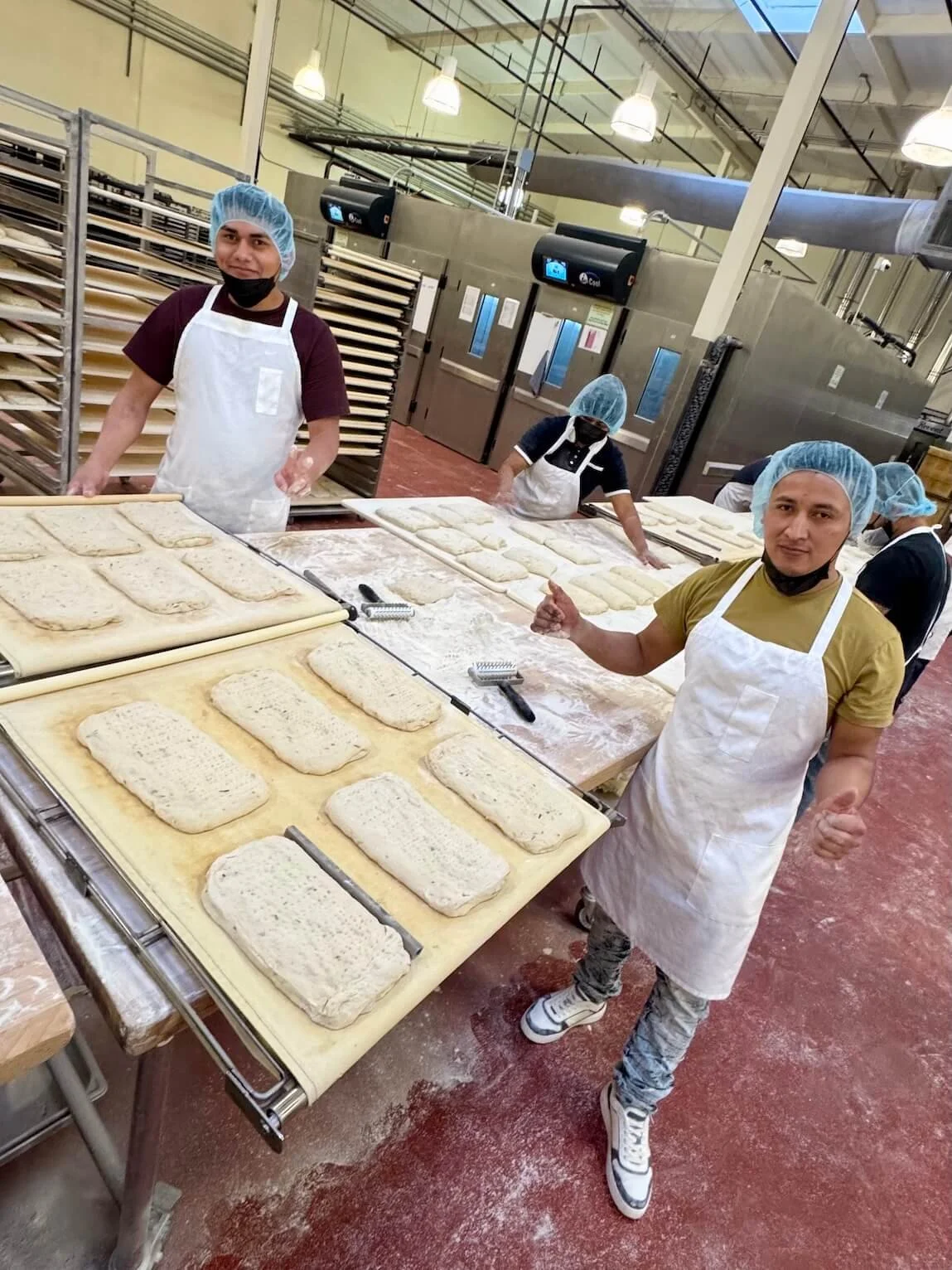
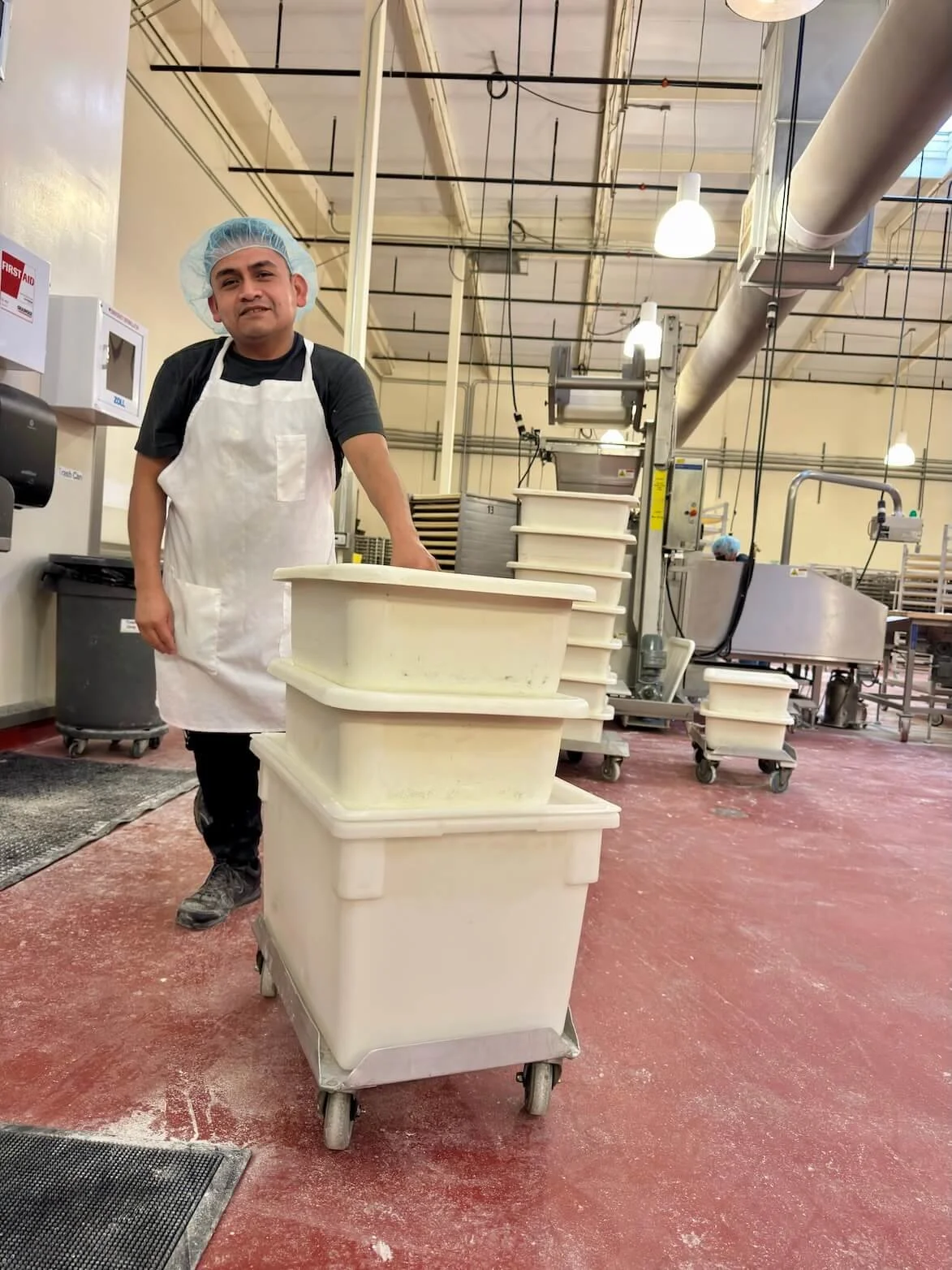
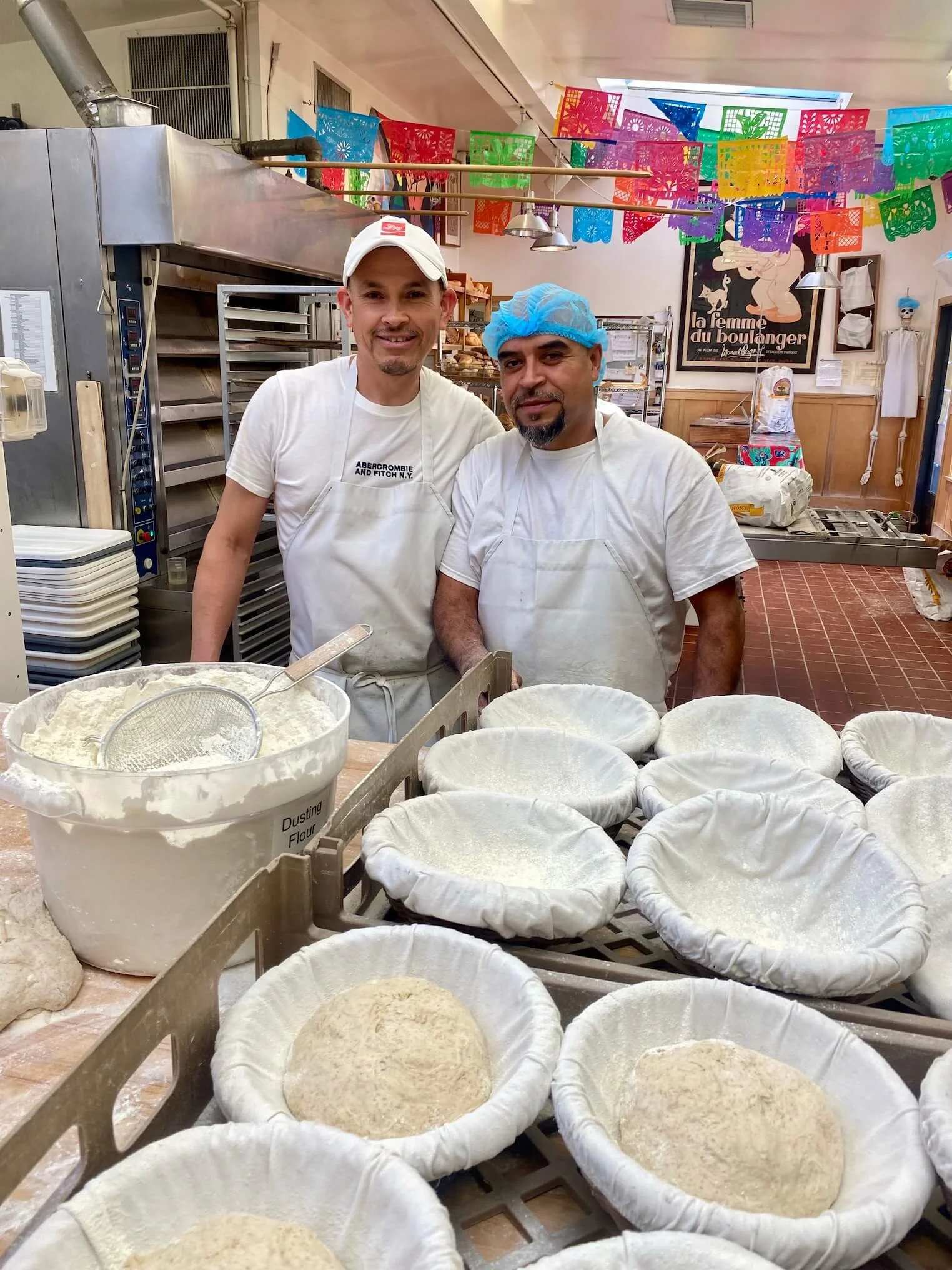
Faces of Acme